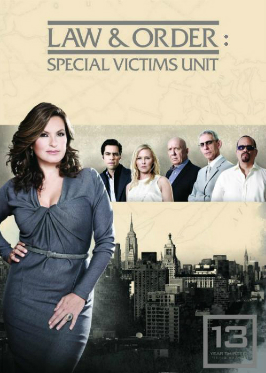
Martial law, Law & Order, and Law & Order: Special Victims Unit represent different perspectives on justice and governance. Martial law concerns emergency authority during national crises, while Law & Order and its spin-off dramatize crime investigation and prosecution.
Understanding these concepts provides insight into how governments maintain stability during emergencies and how media influences public attitudes toward the legal system. This guide examines the legal foundations of martial law and the cultural impact of the Law & Order franchise.
What Is Martial Law?
Martial law refers to the temporary replacement of civilian government authority with military control during emergencies. Governments typically declare martial law during war, rebellion, natural disasters, or widespread civil unrest.
When martial law is imposed, normal civil rights may be restricted, and the military may assume responsibility for maintaining public order and security.
Important Features of Martial Law
Suspension of Civil Authority
Military leadership may oversee or replace civilian courts and government institutions.
Restricted Civil Liberties
Rights such as freedom of movement and assembly may be limited to maintain public safety.
Military Enforcement
Armed forces are authorized to enforce laws and maintain order during the crisis period.
Historical Examples of Martial Law
Throughout history, several nations have declared martial law during major crises.
Philippines
In 1972, President Ferdinand Marcos declared martial law, resulting in extended military-backed governance.
United States
While the United States has never experienced nationwide martial law, localized declarations have occurred during severe emergencies. Constitutional oversight remains a critical safeguard against abuse of power.
Legal Foundations of Martial Law
Many countries outline the conditions for declaring martial law within their constitutions. Judicial review and legislative approval often act as checks to prevent misuse.
The balance between national security and civil liberties remains central to debates about emergency powers.
Public Debate Surrounding Martial Law
Supporters’ Perspective
Supporters argue that martial law is necessary to restore stability during extreme crises.
Critics’ Concerns
Critics warn that it can encourage authoritarian practices and weaken democratic protections.
Transparency, accountability, and limited duration are essential to maintaining legitimacy.
The Television Series Law & Order
Created by Dick Wolf, Law & Order premiered in 1990 and became one of television’s longest-running crime dramas.
The series follows a dual-format structure:
- The first half focuses on police investigations.
- The second half centers on courtroom prosecution.
Cultural Impact of Law & Order
Realistic Storytelling
Episodes often draw inspiration from real-world cases, making narratives relatable and thought-provoking.
Legal Awareness Through Entertainment
Viewers gain exposure to investigative techniques and courtroom procedures.
Influence on the Crime Drama Genre
The procedural storytelling model set a standard that many later crime shows adopted.
Law & Order: Special Victims Unit – A Groundbreaking Spin-Off
Law & Order: Special Victims Unit, launched in 1999, focuses on crimes involving sexual assault, abuse, and vulnerable victims. Its emotionally powerful storytelling has resonated strongly with audiences.
Major Themes in Law & Order SVU
Victim Advocacy
The show emphasizes empathy, support, and justice for survivors.
Social Awareness
Episodes address complex issues such as discrimination and domestic violence.
Character Development
The portrayal of Captain Olivia Benson by Mariska Hargitay has become culturally iconic due to her dedication to justice and compassion.
Comparing Martial Law and Law & Order Themes
Governance vs. Entertainment
Martial law involves real governmental authority, whereas Law & Order and SVU present fictionalized legal systems.
Authority Structures
Martial law shifts power to military leadership, while crime dramas depict collaboration between police and judicial institutions.
Why Law & Order Remains Popular
Timeless Themes
Crime and justice continue to resonate universally.
Structured Format
The investigation–prosecution format offers narrative balance.
Character Continuity
Long-running character arcs maintain audience engagement.
Media Influence on Public Perception
Television dramas significantly shape how viewers understand the justice system.
Courtroom Expectations
Regular viewers may develop assumptions about how real trials should proceed.
Investigation Awareness
Crime dramas introduce audiences to forensic science and investigative methods.
Emotional Engagement
Storytelling fosters empathy and broader social awareness.
The Concept of Law and Order in Governance
Beyond television, “law and order” refers to maintaining social stability through consistent enforcement of laws.
Governments promote law and order policies to ensure public safety and reduce crime rates.
Balancing Security and Freedom
Whether discussing martial law or fictional crime systems, balancing safety with civil liberties remains essential.
Democratic nations strive to protect citizens while upholding constitutional rights.
Public Trust in Legal Systems
Public confidence depends on fairness, transparency, and accountability.
Media portrayals often influence perceptions of how justice is delivered.
The Role of the Judiciary
Independent courts ensure fair trials and protect individual rights.
Under martial law, however, judicial processes may be temporarily altered, raising concerns about oversight.
Global Perspectives on Emergency Powers
Different countries manage emergencies differently. Some require parliamentary approval before declaring martial law, while others grant executives broader authority.
International human rights standards emphasize proportionality and time limitations.
Ethical Considerations in Crime Dramas
While Law & Order and SVU provide compelling entertainment, ethical storytelling is crucial. Sensitive subjects must be handled responsibly to avoid misinformation or exploitation.
Conclusion
Martial law represents a significant concentration of government authority during crises, often sparking debates about civil liberties and democratic safeguards. In contrast, Law & Order and Law & Order: Special Victims Unit are fictional portrayals of criminal investigation and prosecution that have shaped popular culture for decades.
Together, these real and fictional systems illustrate how authority, justice, and accountability function in society. Understanding both emergency governance and media representation provides a balanced perspective on power and law in the modern world.
Leave a Reply